
Sustainable Tourism Operations
Sustainable Tourism Operations: Why Managing Growth Matters More Than Attracting Tourists
Contents
“The true measure of a successful destination is not how many visitors it attracts, but how well it sustains the people, businesses, and places that make those visits possible.”
Paradise Isn’t Always What It Seems [ Sustainable Tourism Operations ]
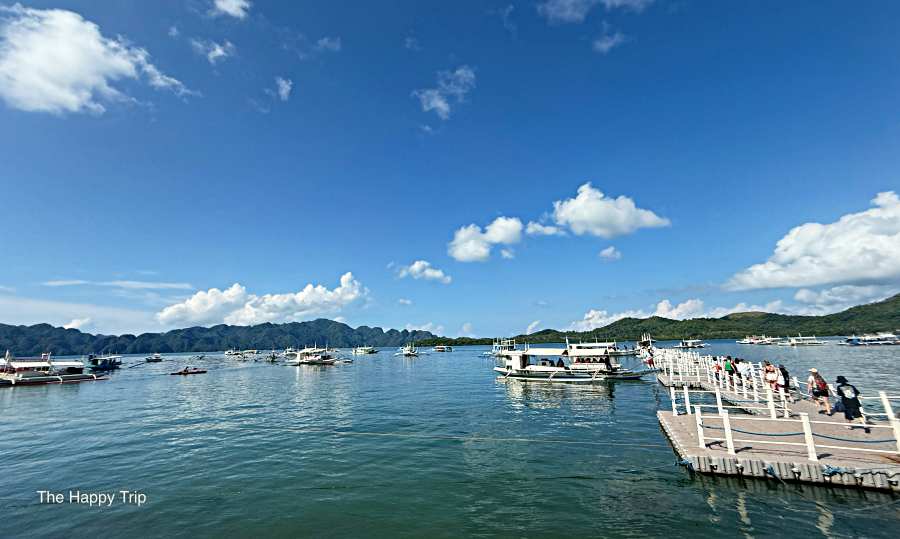
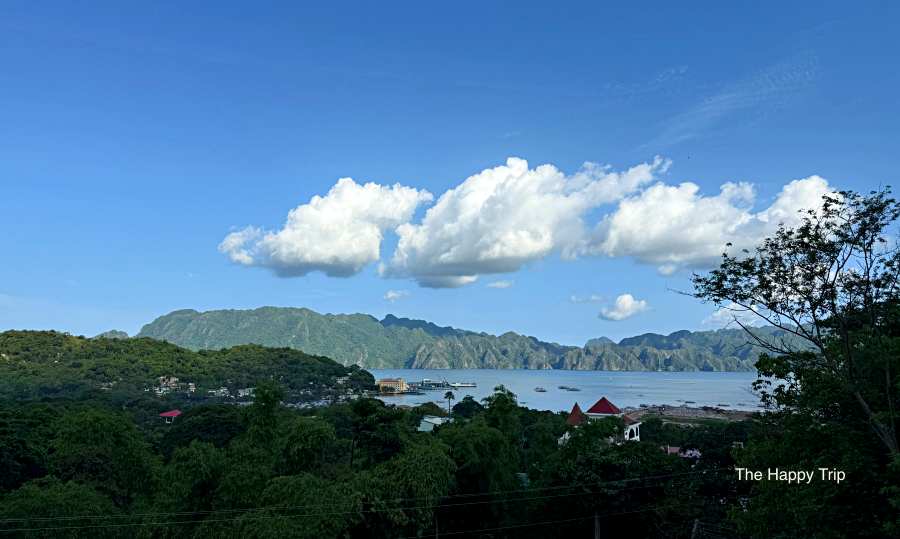
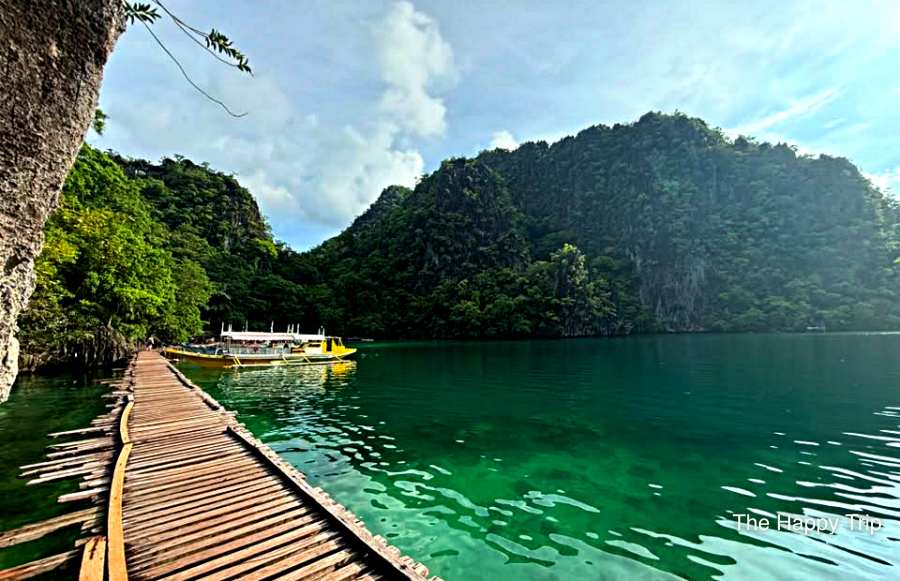
Standing on the viewing deck of our boat in Coron, Palawan, I couldn’t help but admire the towering limestone cliffs rising dramatically from crystal-clear waters. The scenery was exactly what travelers dream about. Tourists snapped photographs, boats moved from one island to another, and everything appeared to be thriving.
It was only later, while talking with several hotel operators and tourism workers, that I discovered a different story.
Despite Coron’s world-class attractions, many businesses were operating with skeletal staff because it was the lean season. Some hotels had significantly lower occupancy. Employees worked fewer hours. Boat operators waited longer between bookings, hoping another group of visitors would arrive before the day ended.
Nothing about this was immediately visible to tourists.
That conversation reminded me that sustainability is not always something we can see.
Sometimes the greatest challenges facing a destination happen quietly, behind hotel reception desks, inside restaurant kitchens, or in the lives of workers whose livelihoods depend on tourism.
It also changed the way I think about sustainable tourism.
Sustainability Is More Than Protecting Beautiful Places [ Sustainable Tourism Operations ]
Whenever people hear the phrase sustainable tourism, environmental protection usually dominates the conversation.
We think about keeping beaches clean, protecting coral reefs, preserving forests, reducing plastic waste, and conserving wildlife. These are undoubtedly important because healthy ecosystems are among tourism’s greatest assets.
But sustainability extends far beyond environmental conservation.
According to UN Tourism, sustainable tourism considers not only environmental impacts but also the economic, social, and cultural dimensions of tourism, ensuring that destinations continue to benefit visitors, businesses, host communities, and future generations.
Similarly, the Global Sustainable Tourism Council (GSTC) identifies four pillars of sustainable tourism:
- Sustainable destination management
- Socio-economic benefits
- Cultural heritage preservation
- Environmental responsibility
This broader perspective recognizes that a destination cannot be considered sustainable simply because its natural attractions remain beautiful.
If tourism workers struggle to earn stable incomes…
If local businesses survive only during peak seasons…
If communities begin feeling excluded from tourism’s benefits…
…then sustainability remains incomplete.
For me, this represents one of the most important lessons in modern tourism.
A destination succeeds when everyone involved in creating the visitor experience succeeds together.
Tourism Is an Ecosystem [ Sustainable Tourism Operations ]
Many people think tourism consists primarily of hotels, airlines, and attractions.
In reality, tourism operates much like an ecosystem.
Every visitor experience depends upon a network of interconnected people and organizations.
Neil Leiper’s Tourism System, first introduced in 1979, explains that tourism functions through relationships among travelers, transportation providers, accommodation establishments, governments, host communities, and supporting industries.
That interconnectedness becomes obvious once we start paying attention.
The seafood served in a beachfront restaurant began with local fishermen.
Fresh vegetables were supplied by nearby farmers.
Transportation providers moved visitors throughout the destination.
Housekeepers prepared hotel rooms.
Guides shared stories that brought history and culture to life.
Local governments maintained roads, regulated businesses, and managed public services.
Every memorable holiday depends on hundreds of people whom tourists may never meet.
When one part of this system weakens, the effects eventually reach everyone.
Poor waste management affects beaches.
Traffic congestion frustrates visitors.
Staff shortages reduce service quality.
Inadequate transportation limits mobility.
Weak local supply chains reduce business competitiveness.
Tourism, therefore, cannot be managed in isolation.
Every stakeholder influences the destination experience.
Growth Alone Is No Longer the Goal [ Sustainable Tourism Operations ]
For decades, tourism success was measured almost entirely by visitor arrivals.
The larger the number, the more successful the destination appeared.
Today, that way of thinking is gradually changing.
According to UN Tourism (2024), international tourism has largely recovered to pre-pandemic levels. Many destinations once again welcome millions of visitors each year.
While this recovery is encouraging, it has also revived familiar challenges.
Roads become congested.
Public facilities experience greater pressure.
Popular attractions become crowded.
Environmental management becomes more difficult.
Service quality becomes harder to maintain.
Recognizing these realities, the OECD Tourism Trends and Policies 2024 report encourages destinations to move beyond simply increasing arrivals and instead focus on resilience, quality, and long-term sustainability.
I believe this shift is overdue.
Tourism growth should never become an end in itself.
The objective is not simply attracting more visitors.
It is ensuring that destinations remain enjoyable for visitors while continuing to improve the lives of residents.
Growth without preparation eventually becomes a liability.
Well-managed growth becomes an asset.
The Hidden Economics of the Lean Season [ Sustainable Tourism Operations ]
Most travelers naturally prefer visiting during peak season.
Festivals create excitement.
Hotels are lively.
Restaurants are busy.
Everything feels vibrant.
Yet my visit to Coron reminded me that tourism tells a different story during quieter months.
While visitors enjoy lower prices and fewer crowds, many tourism businesses face difficult operational decisions.
Hotels reduce staffing.
Restaurants operate with fewer employees.
Boat operators wait longer between bookings.
Souvenir shops experience fewer customers.
For tourism workers, this often means reduced working hours and lower incomes.
The World Travel & Tourism Council (WTTC) identifies seasonality as one of tourism’s most significant operational challenges because businesses must continue paying many fixed expenses even when visitor numbers decline.
This experience changed my perspective.
Traveling during the lean season offers benefits beyond lower prices and shorter queues.
It also provides opportunities to support destinations precisely when they need visitors the most.
No individual traveler can solve seasonality.
However, encouraging year-round tourism, promoting shoulder-season travel, and developing experiences beyond traditional peak periods can create more stable employment and stronger local economies.
From an operations perspective, sustainability means creating value throughout the year—not only during holidays and festivals.
Looking Beyond the Postcard [ Sustainable Tourism Operations ]
As travelers, we often judge destinations by what we see.
Beautiful beaches.
Spectacular sunsets.
Historic landmarks.
Luxury resorts.
But sustainable tourism invites us to look beyond the postcard.
It asks us to consider the people who prepare our meals, clean our hotel rooms, guide our tours, drive our vehicles, and create the products we bring home.
Those people are just as important as the attractions themselves.
When tourism creates opportunities for businesses, provides stable livelihoods for workers, protects natural resources, and earns the support of local communities, destinations become stronger and more resilient.
That, to me, is what sustainable tourism operations truly mean.
They are not simply about protecting destinations.
They are about ensuring that tourism continues creating value—for visitors, businesses, communities, and future generations.
References
- **Global Sustainable Tourism Council (GSTC). (2024). GSTC Destination Standard (formerly GSTC Destination Criteria).
GSTC Destination Standard - Leiper, N. (1979). The Framework of Tourism: Towards a Definition of Tourism, Tourist, and the Tourist Industry. Annals of Tourism Research, 6(4), 390–407.
DOI: https://doi.org/10.1016/0160-7383(79)90003-3 - Organisation for Economic Co-operation and Development (OECD). (2024). OECD Tourism Trends and Policies 2024.
OECD Tourism Trends and Policies 2024 (Full Report) - UN Tourism. (2024). International Tourism Highlights 2024 Edition.
UN Tourism – International Tourism Highlights - World Travel & Tourism Council (WTTC). (2024). Economic Impact Research (EIR).
WTTC Economic Impact Research
MORE STORIES
- Ho Chi Minh Travel Guide
- Halong Bay Travel Guide
- Hanoi Travel Guide
- MIMBALOT FALLS, ILIGAN PARADISE RESORT, AND ECO-PARK
- SUNKEN CEMETERY, CAMIGUIN ISLAND TRAVEL GUIDE
- WHITE ISLAND CAMIGUIN TRAVEL GUIDE
- LIST OF RECOMMENDED HOTELS IN ILIGAN CITY
- MANTIGUE ISLAND TRAVEL GUIDE
- PETRONAS TWIN TOWERS, MALAYSIA
- SETTING YOUR DESTINATION WEDDING IN TROPICAL THAILAND
- Bacolod Food Tourism: Beyond UNESCO Recognition
- Sustainable Tourism in the Philippines: Lessons from Coron and Beyond
- PLAZA DE MASSKARA AT THE UPPER EAST
- Belmont Hotel Iloilo: My Honest Stay & Travel Guide (2026)
- Luk Foo Palace Bacolod: Where Great Food Brings Family & Friends Together
- Guimaras Tourism Is Growing Up: A Repeat Visitor’s Honest View